

Apostle Paul Footsteps Tour in Corinth
Overview:
From: €290
Follow in the footsteps of Apostle Paul on a half-day journey through Ancient Corinth, one of the most significant cities of early Christianity. This tour explores the biblical sites where Paul preached, taught, and established the Christian community, offering a unique glimpse into the history of the New Testament.
The itinerary highlights key locations, including the ruins of the ancient agora, the Bema where Paul addressed the people, and nearby landmarks linked to his missionary work. Combining archaeology, history, and faith, this tour provides a meaningful experience that connects the story of Paul with the rich cultural and historical backdrop of Corinth.
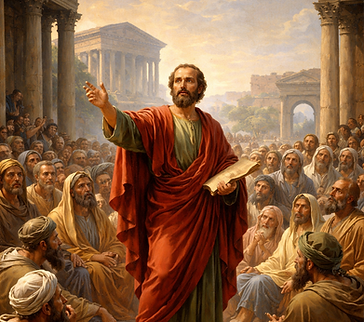
Areopagus Hill:

Areopagus Hill, also known as Mars Hill, is a historic rocky outcrop in Athens overlooking the Acropolis. Famous as the site where Apostle Paul addressed the Athenians, it offers panoramic views of the city and remains an important landmark in both history and biblical tradition.
Monastery of Daphne:

The Monastery of Daphne, located near Corinth, is a historic Byzantine monastery renowned for its traditional architecture, beautiful frescoes, and serene setting. Surrounded by lush landscapes, it served as an important spiritual center for centuries and offers a peaceful insight into Greece’s rich monastic and religious heritage.

Corinth Canal:
The Corinth Canal is not only an impressive engineering achievement but also a site with a long and fascinating history. The idea of cutting through the Isthmus of Corinth dates back to ancient times, with rulers such as Periander and later Nero attempting to create a passage between the Aegean Sea and the Ionian Sea. In fact, Nero even began excavations in the 1st century AD, but the project was abandoned.
For centuries, ships were instead transported across land via a paved track called the Diolkos, before the canal was finally completed in the 19th century. Today, the Corinth Canal stands as a testament to both ancient ambition and modern engineering, offering visitors a unique glimpse into the evolution of transportation and trade in Greece.
Archaeological Site & Museum of Isthmia:


The Archaeological Site & Museum of Isthmia, near Corinth, preserves the ruins of the sanctuary of Poseidon and the stadium of the ancient Isthmian Games. Its proximity to Corinth highlights the world in which Apostle Paul traveled and preached, offering a fascinating glimpse into the religious, cultural, and social life that shaped the communities he visited on his missionary journeys.
Ancient Corinth:
Ancient Corinth was a major center of power and culture in ancient Greece, famed for its wealth, strategic location, and contributions to art, architecture, and commerce. The city thrived for centuries as a hub connecting the Aegean Sea and Ionian Sea, attracting merchants, travelers, and influential figures from across the ancient world.
Today, visitors can explore its impressive ruins, from the iconic Temple of Apollo to the ancient marketplaces and city walls, offering a vivid glimpse into life in a flourishing Greek city-state. Rich in history, mythology, and legend, Ancient Corinth reveals the grandeur and sophistication of one of Greece’s most important civilizations.

Kenchreai:

The Ancient Port of Kechries, near Corinth, was one of the main ports of ancient Corinth, linking the city to trade routes across the Saronic Gulf. This harbor played a vital role in commerce, shipping, and the movement of people, providing context for the bustling maritime activity that surrounded the region during the time of Apostle Paul and other historical figures.
Apostolos Pavlos Church:

The Apostolos Pavlos Church in Corinth is a modern church built to honor Apostle Paul and his missionary work in the region. Serving as a spiritual landmark, it commemorates Paul’s preaching and the establishment of the early Christian community in Corinth, connecting visitors with the city’s rich biblical history.